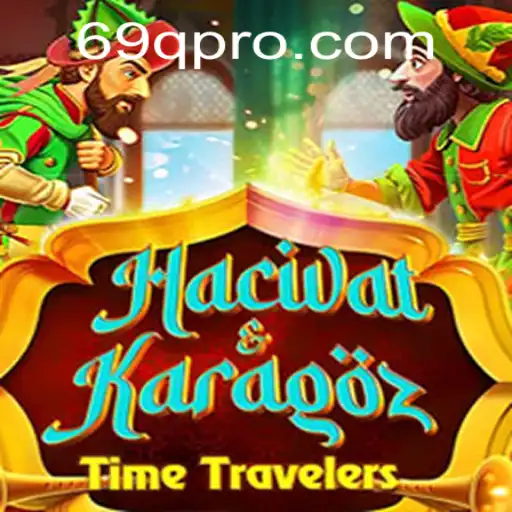
The Enchanting World of Hacivat and Karagoz
Hacivat and Karagoz is a timeless piece of cultural heritage that offers both entertainment and a glimpse into the rich tapestry of historical traditions. Emerging from the theatrical arts, this shadow play remains a celebrated part of cultural festivals and educational programming globally.66brl
Origins and Historical Significance
The roots of Hacivat and Karagoz trace back to the Ottoman Empire, where shadow plays were a popular form of entertainment across various social classes. The play revolves around the humorous exchanges and adventures of two main characters: Hacivat, the educated and articulate figure, and Karagoz, the mischievous and street-smart counterpart. Traditionally, performances were held during special occasions like Ramadan and were beloved for their ability to convey moral lessons through humor and satire.
A Cultural Renaissance
In recent years, Hacivat and Karagoz have experienced a revival as cultural organizations seek to preserve this unique form of storytelling. Efforts to digitize scripts and perform them online have introduced these age-old characters to a global audience. Additionally, educators are incorporating these stories into curriculums to teach students about cultural diversity and history in an engaging way.
The Rules of the Game
The game of Hacivat and Karagoz is typically performed using puppets, with each character crafted from leather and skillfully manipulated behind a screen to cast shadows. The key to a successful performance lies in the mastery of voice, as the puppeteer must convey different personalities for each character. The basic setup involves a screen called kenen, a light source, and a cast of puppets representing the various characters involved in the narratives.
Gameplay Dynamics
The interaction between Hacivat and Karagoz drives the narrative, with each scene crafted to showcase their contrasting personalities. Hacivat often represents reason and intelligence, while Karagoz embodies spontaneity and wit. The resulting dialogue is a blend of slapstick comedy and sharp wit, often leading to humorous misunderstandings and clever resolutions. The narrative typically unfolds in a series of acts, each designed to highlight aspects of everyday life, societal norms, and human nature.
Players or viewers are encouraged to use their imagination and the medium is inherently interactive, inviting audiences to discuss the themes and messages portrayed. This interactivity creates an environment where humor is used as a tool for reflection on societal issues, making the experience both entertaining and thought-provoking.KK813
Relevance in Contemporary Culture
Amid modern entertainment forms, Hacivat and Karagoz offer a refreshing alternative, taking audiences back to the basics of storytelling and human connection. In today's world where digital interaction dominates, this shadow play fosters face-to-face engagement and inspires community gathering. It also serves as a cultural bridge, bringing together people from different backgrounds and sparking dialogue about shared human experiences.192ok
Integration with Current Events
As societies grapple with issues like cultural preservation and digital transformation, Hacivat and Karagoz stand as a testament to the enduring power of tradition. Current events often inspire new interpretations and adaptations of classic stories, allowing them to remain relevant and resonate with contemporary audiences. For instance, the game has been used to discuss themes like coexistence and adaptation within multicultural environments, drawing parallels to current global discourses.67 game
The Role of Technology
Modern technology has played a significant role in the resurgence of Hacivat and Karagoz. Virtual reality and augmented reality adaptations provide interactive experiences that breathe new life into the traditional format. These innovative approaches attract younger generations who might otherwise overlook traditional forms of art. Furthermore, the digital era allows for greater accessibility and sharing of performances, encouraging broader participation and appreciation for this age-old art form.
Through initiatives like international festivals and community workshops, the legacy of Hacivat and Karagoz is ensured as storytellers and enthusiasts alike work tirelessly to keep the light of tradition burning brightly. In conclusion, Hacivat and Karagoz remain a shining example of how cultural heritage can be preserved and adapted to find its place in modern society.
22A.COM